
Update
Blood Sugar-Friendly Eating: Practical Daily Guide
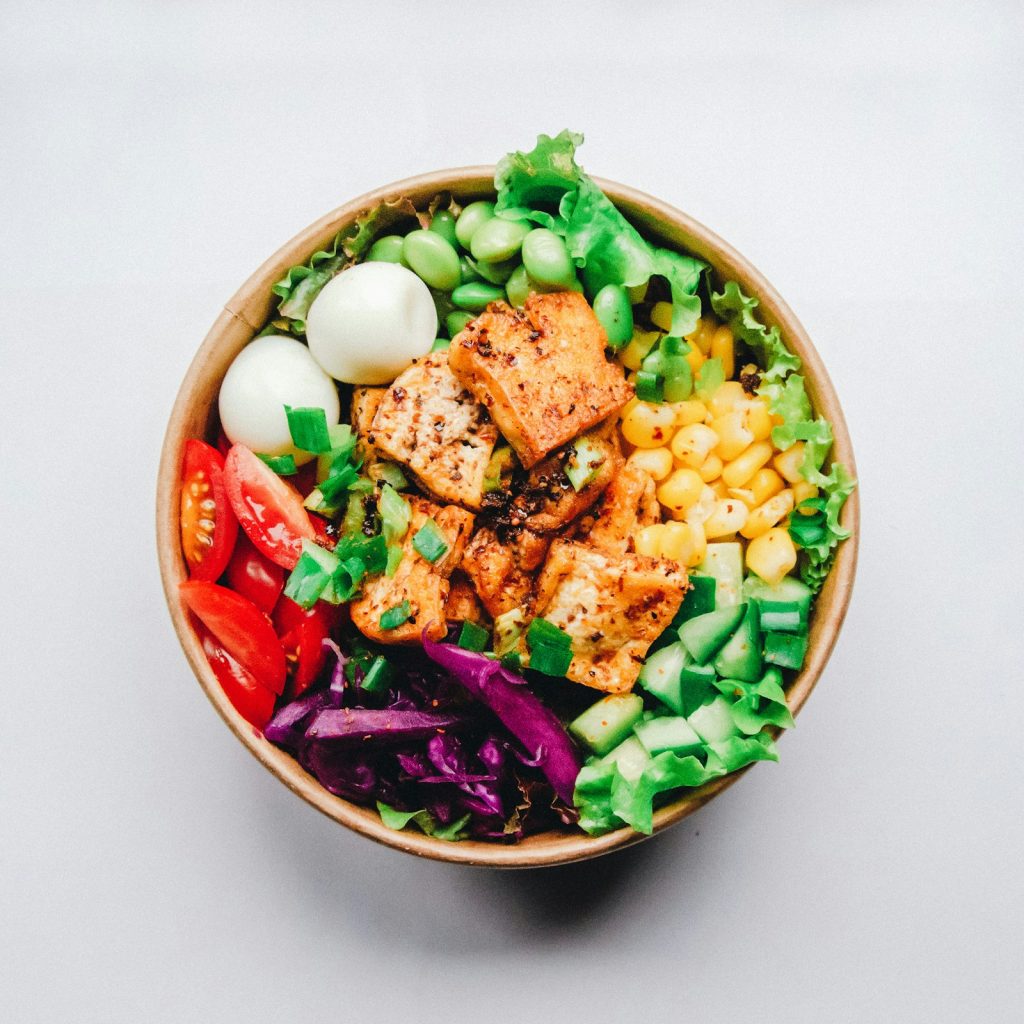
Managing blood sugar does not mean eliminating all carbohydrates. It means choosing the right combinations, portions, and timing so glucose stays steadier throughout the day.
Build balanced plates
Aim to combine protein, healthy fats, and high-fiber carbohydrates at each meal. This pairing slows digestion and reduces sharp post-meal glucose spikes.
Smart carbohydrate choices
- Choose whole grains over refined grains when possible.
- Include beans, lentils, and chickpeas for fiber and protein.
- Pair fruit with protein or fat (for example, apple with nut butter).
- Limit sugar-sweetened drinks and frequent ultra-processed snacks.
Daily habits that support stable glucose
Eat at consistent intervals, stay hydrated, include vegetables at lunch and dinner, and add light movement after meals when you can. Sleep and stress management also affect glucose control.
Practical snack ideas
Greek yogurt with seeds, hummus with raw vegetables, a small handful of nuts, or cheese with whole-grain crackers can be useful options between meals.
What to watch on food labels
Check total carbohydrates, fiber, and added sugars. Higher fiber foods often have a gentler effect on blood glucose when portions are appropriate.
When to seek professional guidance
If you have diabetes, prediabetes, insulin resistance, or frequent glucose swings, work with a dietitian to personalize your plan. Medication, activity, and meal timing should all be considered together.