
Update
Meal Prep Tips for Busy Weeks
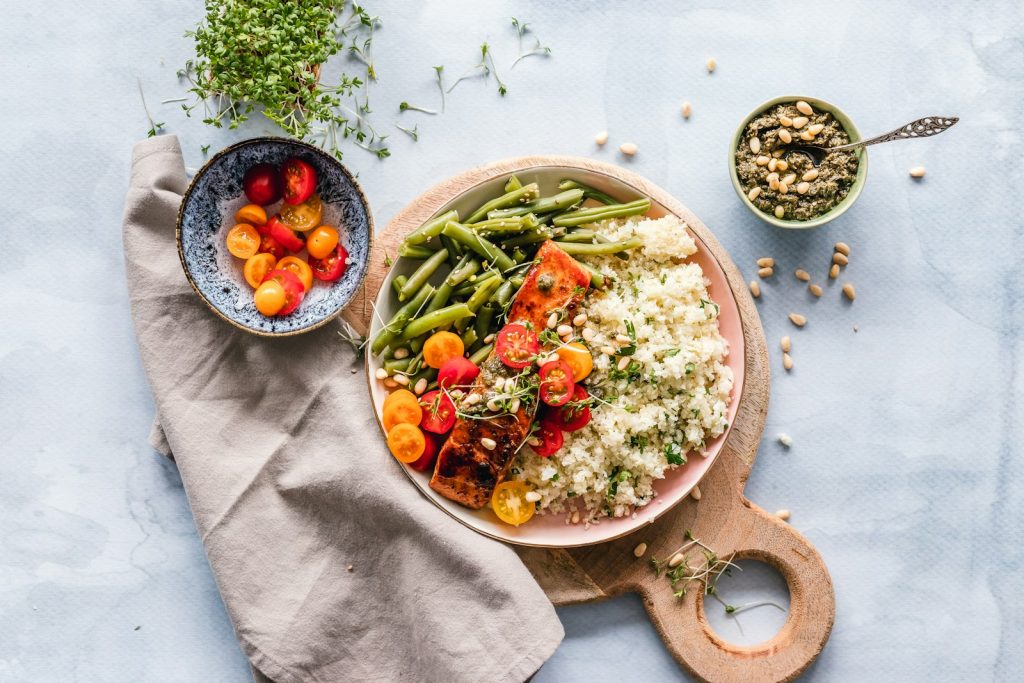
Meal prep is one of the most practical tools for eating well when life is busy. With a simple weekly rhythm, you can reduce decision fatigue, save money, and stay consistent with your nutrition goals without cooking from scratch every night.
Why meal prep works
When healthy food is ready before hunger hits, you are far less likely to rely on takeout or ultra-processed snacks. Meal prep also helps you control portions, balance macronutrients, and align meals with medical or performance goals.
A simple framework for busy weeks
- Plan: Choose 2 proteins, 2 complex carbohydrates, and 3 vegetables for the week.
- Shop: Build your list from planned meals to avoid impulse buys.
- Batch cook: Cook proteins and grains in bulk on one dedicated prep day.
- Store safely: Use airtight containers and label dates for refrigerator and freezer meals.
Balanced plate examples
Breakfast: Overnight oats with seeds and berries.
Lunch: Grilled chicken, roasted sweet potato, and mixed greens.
Dinner: Baked fish, quinoa, and steamed broccoli.
Snack: Greek yogurt with nuts or hummus with vegetables.
Time-saving tips
Wash and chop vegetables once, cook double portions of grains, and keep a “mix-and-match” station in your fridge. Pre-portion snacks into small containers so they are easy to grab on busy days.
Food safety basics
Refrigerated meals are generally best within 3–4 days. Freeze extras if you will not eat them in time, and reheat to steaming hot before serving.
When to get personalized support
If you are managing diabetes, high blood pressure, kidney disease, or food allergies, meal prep should reflect your individual needs. A registered dietitian can help you build a plan that is safe, practical, and sustainable.